Attempting to Control the Uncontrollable
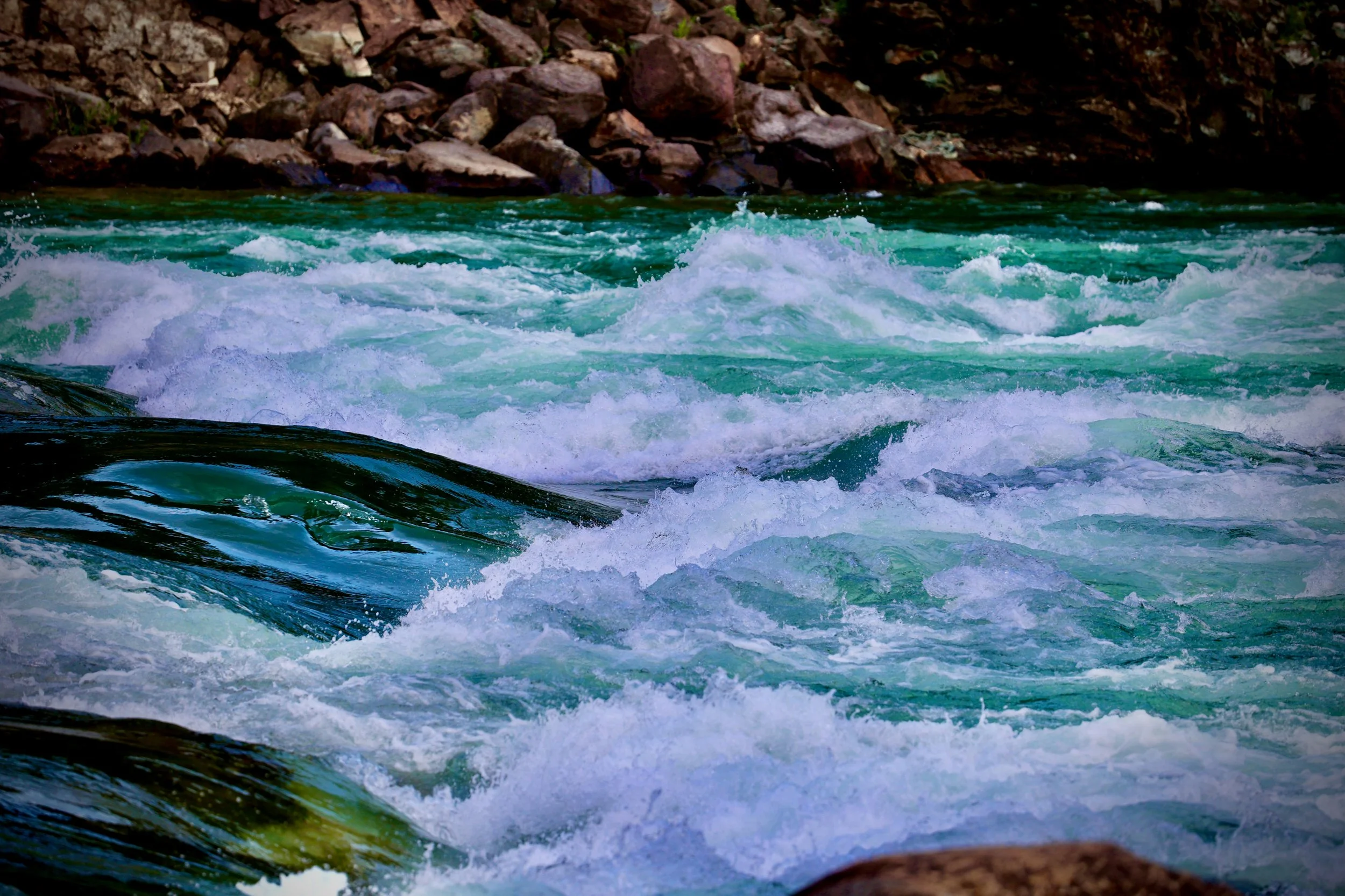
Photo by Troy Olson on Unsplash
Have you ever tried to control something that was completely uncontrollable? How did that work out? For me, anyway, it is exhausting.
When we look closely at life, just about everything is uncontrollable to a greater or lesser degree. For heaven’s sake, I can hardly control my thoughts and emotions some days. How in the world could I ever begin to control the people and occurrences outside of myself?
Take a moment to consider the many uncontrollable events that occur on a regular basis:
Weather patterns
Late trains and planes
Crawling traffic
Diagnoses
Illness
Aging
Accidents
Leaky roofs
Burst water pipes
Betrayals
Other people’s choices
All these things happen. They are unpredictable and fundamentally uncontrollable. There is not much we can do about them.
Yes, we can switch our flight - if there are seats available. Yes, we can find a new route using GPS – as we soon discover, so has everyone else. Yes, we can eat nutritiously, see our physicians regularly, and purchase robust insurance plans, all in an effort to control the uncontrollable.
One area we do have the ability to change is our relationship to all these things. They happen as an inherent part of life, they are not personal. Their flavor may be challenging, yet the additional judgments, resistance, and stories we place around them do not minimize the challenge; they intensify it.
There was an insurance commercial that aired in the Arizona market a few years ago. A mom is sitting at the head of the table, exuberantly reviewing the family’s tightly packed weekly schedule. She is definitely in control - or so she believes - while her family looks on, glazed over. In the middle of her diatribe, a man falls through the drywall ceiling and lands on the table. The dad asks something like, “Was this on the schedule?” The tagline: “You can’t plan accidents.”
It is a comical example of our desire to control our lives.
To be clear, having a direction, purpose, cause, or calling in life is noble and necessary. Setting the compass of our heart in the direction we’d like our life to flow is important. But controlling life is simply not possible. Life will never fully comply.
Yoga teacher and poet Danna Faulds puts it this way:
“Try controlling a lightning bolt, containing a tornado…resist, and the tide will sweep you off your feet. Allow, and grace will carry you to higher ground…”
When we look closely, we can see how much effort and precious life energy we spend trying to make life conform to our plans. That is life energy we will never get back.
Where does our desire for control come from?
The simple answer is that it is wired into us. It is a strategy designed to keep us safe and part of the brain’s predictive nature. The brain searches the past for information, applies that information to a future that is not here yet, in hopes of controlling an outcome that may or may not occur. For example, if a past conversation ended badly, the brain may try to script and control the next one before it even begins.
While this tendency may be wired into us, we can begin to untangle the wiring and create a new pathway. We can, in the words of Danna Faulds, “allow” life to flow.
We can ride the river of our life using our rudder to steer through its currents and eddies, rather than attempting to paddle upstream - which is essentially what trying to control life feels like.
When faced with situations that awaken our desire to control life for our own benefit, convenience, or comfort, one approach is to find surrender. Surrender does not mean passivity, resignation, or failing to take wise action. It means releasing the demand that our actions must produce the outcome we want.
Surrender is that deep exhale place. It is the gentle reminder to let go of the lightning bolt. It is the place where we trust the direction of our hearts while understanding that rapids, boulders, beaver dams, and fallen tree limbs may impede our progress at times. We cannot control the river, but we can loosen our grip, adjust our rudder, and allow the current to carry us forward.
Perhaps the obstacles in our life are not separate from the journey. Perhaps they are part of what teaches us how to navigate our unique path.
Consider these contemplative questions:
What am I trying to control right now that is not truly within my control?
What part of this situation is mine to influence, respond to, or act upon?
What might change if I released my demand for a particular outcome?
A Practice in Surrender
The next time you notice yourself trying to control an outcome, stop, take a breath and ask:
What is mine to do, and what is mine to release?
Then listen quietly, take the wisest action available and loosen your grip on the outcome.
In-joy surrender