Letting Go
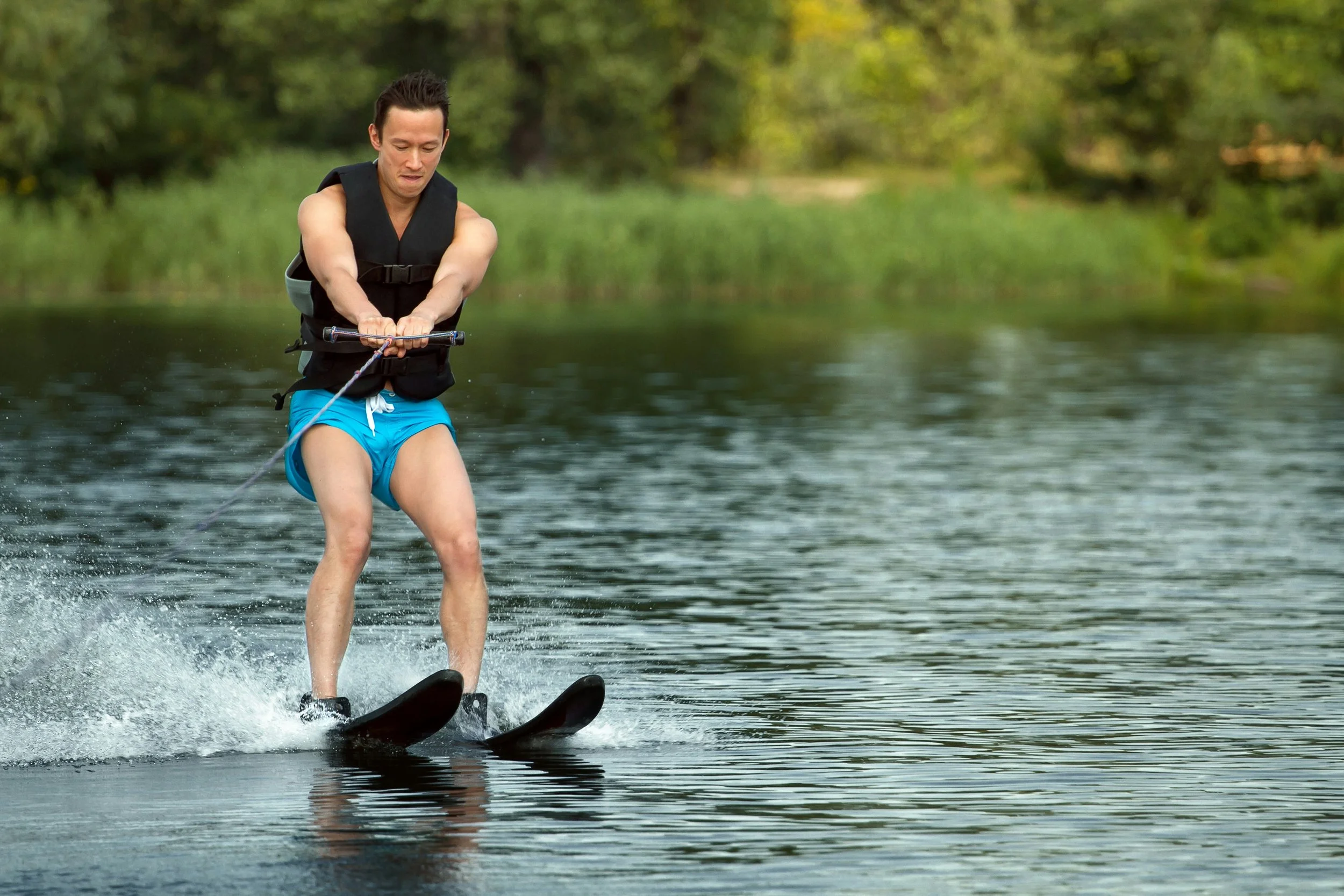
Photo by Kostiantyn Li on Unsplash
My most memorable lesson in letting go involved a tow rope.
Before my first attempt at water skiing, I was given one simple instruction among many: “If you fall, let go of the rope.” That seemed easy and straight forward enough. Until I fell.
I had taken hold of the rope, squatted in the water, gotten up on my skis, found my balance, and was enjoying the sensations of air and mist cooling my skin when a rogue wave took a ski out from under me. Down I went. Startled and panicked, I clung to the rope as though my life depended on it.
Water rushed in, out, and through every available orifice. Miserably uncomfortable does not begin to describe it.
Oh! This is what they meant by “let go of the rope”.
The rope that had helped me rise was now dragging me through the lake. Releasing it meant trusting my life vest to keep me afloat and my friends to circle back and collect me. What had masqueraded as security had become the source of my water misery.
How often do we do something similar in life? Cling, grasp and hold tight to a plan, idea, role, expectation, even after it begins dragging us down causing us stress and distress?
A similar lesson came on a beginner’s rock face in Tucson. My son, an avid rock climber, had encouraged me to give it a try. He and a few buddies set me up with ropes, clips, and a harness. After a few basic instructions I began climbing.
The first few yards felt manageable even exhilarating – I was doing it. Then my muscles began shaking, fear moved in fogging my focus, I could no longer see where to put my hands or feet. Looking below felt terrifying (cardinal rule - never look where you don’t want to go). Looking above felt impossible.
Seeing my uncertainty, my son coached, “Mom, trust your harness.”
“What does that even mean?” I yelled.
“Just let go and rest in it. I’ve got you.”
Let go? Several yards off the ground? There was not one part of me that was enthusiastic about the suggestion.
My choices were to come down or trust him. I released my hands, released my struggle and fear and let my weight settle into the harness. That letting go shifted things. I had space to breathe, to notice, to rest. In doing so I could see the next handhold and foothold. They had been there all along, I was blinded by my fear and distress.
Having collected my presence and strength, I continued upward, resting in the harness whenever I needed to. I made it to the top through a balance of effort and letting go.
Life gives us plenty of opportunities to practice the art and necessity of letting go. Children launch their own lives. Relationships change. Jobs end. Diagnoses arrive. People we love die. These are not experiences most of us would order a second round of, yet all of these are part of the essence of life.
Sometimes we need time to grieve before we can even consider loosening our grip. Sometimes we need someone beside us, reminding us that support is available. Trust in the letting go process grows when there is something trustworthy to lean into.
There is a mantra I use often and share with my yoga and mindfulness students : “Just this. Just here. Just as it is.” It helps me pause long enough to notice what is happening and to find a path towards the paradox of acceptance and letting go of it and letting go into it. Accept the fall into the water, let go of the rope and trust. Accept the exhaustion and over-efforting on the mountains we face, let go into the harness and rest, allowing clarity to arise.
The question that is worth asking when we feel clinging, grasping, and efforting occur is, “what am I holding so tightly that is creating misery and fogging my view of the next step?”
Perhaps it’s the need to release an expectation. Perhaps the need to ask for support. Perhaps it’s a need to just rest a bit.
I still have to remind myself to trust the harness, let the life vest do its job, receive the support that is already in front of me. And sometimes, to let go of the damn rope.
In-joy letting go.